April 16, 2026
If you are relocating for a new leadership role, where you live can shape your daily rhythm just as much as your office does. You may be looking for a place that feels established, private, and practical, while still keeping you close to major business centers in the Kansas City metro. Mission Hills stands out for exactly that balance. This guide will walk you through what executives should know about housing, commute access, schools, neighborhood structure, and why a concierge-style relocation plan can make the move smoother. Let’s dive in.
Mission Hills is one of the Kansas City area’s most established residential communities. According to Census Reporter’s city profile for Mission Hills, the city has 3,548 residents, a median age of 47.2, and a median household income of $250,001. Those numbers reflect a small, stable community with a high-value housing market.
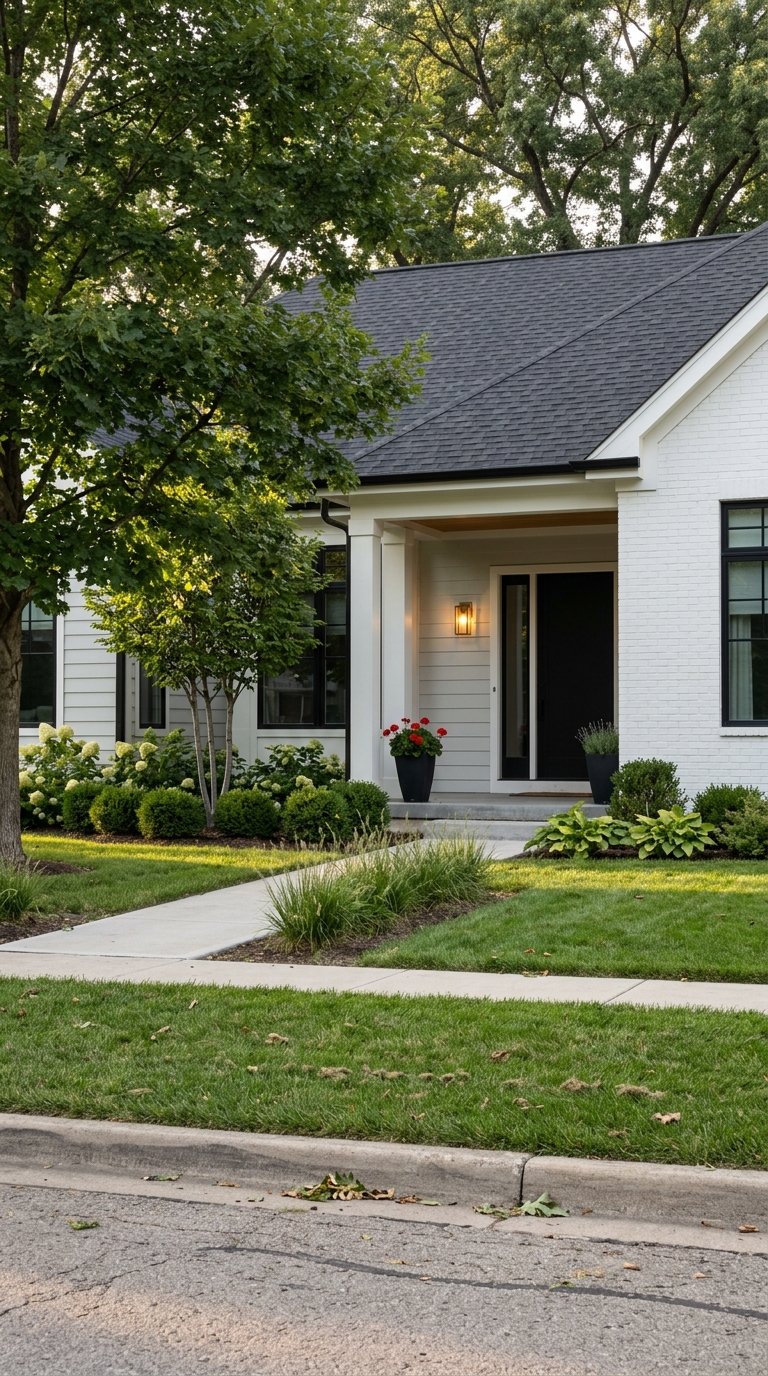
The city’s official overview also highlights its setting in northeast Johnson County and its landscaped character, with golf courses, stately homes, and community events that shape daily life in a quiet but connected way. If you want a residential setting that feels intentional rather than fast-changing, Mission Hills offers that experience. It is a place where long-term ownership and careful planning are part of the identity.
For many relocating executives, commute time is one of the first questions to answer. Mission Hills benefits from its location within the Kansas City metro, and the city notes that it sits in northeast Johnson County, making it a practical home base for regional business travel and office access. The average commute time is 16.4 minutes, according to Census Reporter.
That short average commute is especially notable when you consider the scale of the nearby business core. Downtown Kansas City is identified as the region’s largest employment center, with more than 122,000 employees and 26.5 million square feet of office space. For an executive balancing meetings, travel, and family time, that proximity can be a real advantage.
You should expect Mission Hills to sit firmly in the luxury price range. Census Reporter shows a median owner-occupied home value of $1.2378 million, while the same source notes a low annual move rate, with only 5.6% of residents changing homes in the previous year. That points to a market with strong owner stability rather than frequent turnover.
Recent market snapshots support the same picture. The research report notes Zillow’s average home value at $1.57 million and Redfin’s latest median sale price at $1.3 million, both cited through the Census Reporter profile. In simple terms, Mission Hills is a seven-figure market where inventory can be limited and preparation matters.
If you are moving into Mission Hills, it helps to plan for a more deliberate home search. This is not a loose, high-turnover suburb where homes move in and out of the market without much context. The city’s housing environment is more managed, more design-conscious, and more stable.
That can be a strong fit for executives who value predictability, privacy, and long-term appeal. It also means you benefit from working with a team that can help you move quickly when the right property appears, while coordinating the many details that come with a relocation.
If your move includes school planning, Mission Hills offers access to both public and private options nearby. Shawnee Mission School District lists Mission Hills among the cities it serves. A nearby district pathway includes Highlands Elementary School, with students continuing to Indian Hills Middle School and Shawnee Mission East High School.
For families considering private education, there are several established options within a short drive. The research report identifies The Barstow School on State Line Road in Kansas City, Missouri, along with Pembroke Hill School and Bishop Miege Catholic High School nearby. For a relocating household, that range of public and private choices can make transition planning easier.
Mission Hills has a distinctive feel that sets it apart from many other Johnson County communities. The city describes three golf courses forming a green belt around homes and landscaped gardens, and it highlights civic traditions such as the annual Street Fair and Verona Columns Concert. Those details help explain why the area feels both residential and highly curated.
Private clubs also play an important role in the local lifestyle. The city overview references Mission Hills Country Club, Indian Hills Country Club, and Kansas City Country Club as longstanding parts of the community fabric. For some buyers, that club-centered environment is a meaningful part of the appeal, especially if you value recreation, dining, networking, or a socially connected setting with a private feel.
Mission Hills also has an organized neighborhood framework. The city states that its three homes associations are part of the Homes Association of Kansas City. For many executive buyers, that level of structure can signal consistent neighborhood standards and a well-managed setting.
That does not mean every home or block feels the same. It means the community has systems in place that help preserve its overall character. If you are relocating from another major market, that level of consistency may feel familiar and reassuring.
One of the most important things to understand before buying in Mission Hills is that exterior changes are not casual. The city’s Architectural Review Board requires approval for exterior work before permits are issued. The city’s design guidelines are intended to preserve historic design patterns, greenspace, lot layouts, and the massing and architecture of homes.
For buyers, this matters in two ways. First, if you are considering renovations after closing, you need to understand the approval process early. Second, if you appreciate a community where visual standards are taken seriously, these rules help support that environment.
This is where a high-touch relocation process can add real value. Because exterior work may involve approvals, permitting, scheduling, and timing, moving parts can stack up quickly. A concierge-style real estate team can help you think through inspections, contractor timelines, move coordination, and next steps in the right order.
That kind of support is especially useful if your schedule is already full with a job transition. Instead of trying to manage every moving piece on your own, you can work with a team that helps reduce friction and keep the process organized.
Before relocating to Mission Hills, it helps to clarify a few practical priorities:
These questions can help you narrow your search and avoid surprises. In a market like Mission Hills, clarity upfront can save time and improve your decision-making.
Mission Hills can be an excellent fit if you want a refined residential setting with strong access to the greater Kansas City business core. Its housing market is firmly upscale, its commute profile is favorable, and its neighborhood structure supports a more stable, design-conscious experience. For executives who want privacy, convenience, and a sense of permanence, it often checks the right boxes.
The key is approaching the move with the right strategy. A relocation is not just about finding a home. It is about matching your timeline, your professional demands, and your household needs to a community that supports the way you want to live.
If you are considering a move to Mission Hills, Hannah Murrell can help you create a clear relocation plan with the concierge-level support, local knowledge, and trusted coordination that make your next move feel more seamless.
Explore additional articles offering fresh perspectives on Kansas City real estate and lifestyle.
Partner with Murrell Signature Real Estate Group and enjoy a real estate experience that’s personal, polished, and powerful.

MURRELL SIGNATURE REAL ESTATE GROUP
ADDRESS 4200 SOMERSET DR PRAIRIE VILLAGE KS 66208