
May 14, 2026
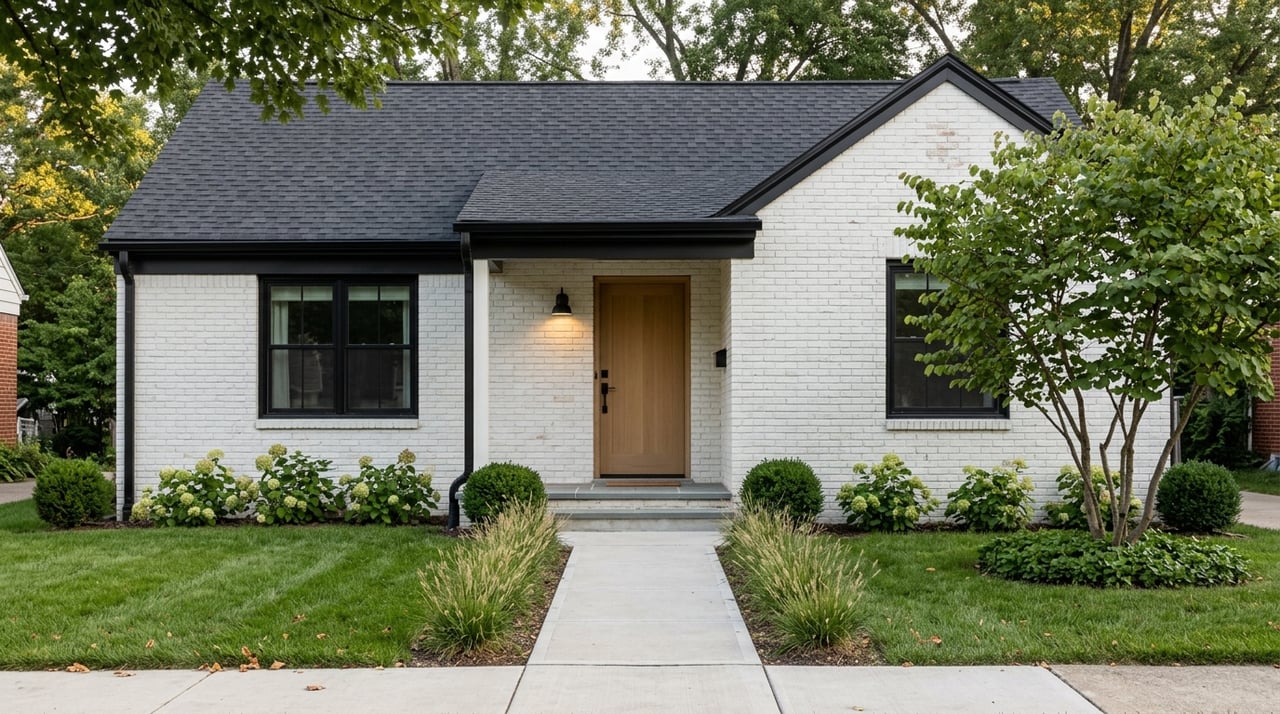
Wondering if it’s time to trade square footage for simplicity in Leawood? You are not alone. Many longtime homeowners in this part of Johnson County have built substantial equity, but they are also weighing higher monthly ownership costs, ongoing upkeep, and the effort it takes to manage a larger home. If you are thinking about downsizing, this guide will help you sort through the financial side, compare low-maintenance housing options, and plan a smoother move from start to finish. Let’s dive in.
Leawood is a community where many owners have stayed put long enough to build meaningful housing wealth. Census QuickFacts reports a 91.0% owner-occupied housing rate and a median owner-occupied home value of $658,800. The city’s planning materials also note that Leawood has a median resident age of 46.5 and has identified downsizing opportunities as part of a broader goal to support a wider range of housing options.
For some homeowners, the decision is not about giving something up. It is about gaining time, flexibility, and a home that fits your current season of life. Lower-maintenance living can mean less yard work, fewer repair demands, and a more predictable monthly routine.
Monthly ownership costs also matter. Census reports median selected monthly owner costs of $3,376 with a mortgage and $1,260 without one. When you add utilities, maintenance, insurance, and property taxes, a smaller or maintenance-provided home can look much more appealing.
Before you tour villas or compare condos, start with your numbers. Home equity is the difference between your home’s current value and what you still owe on your mortgage. That number can be a helpful starting point, but it is not the same as the amount you will actually take with you after a sale.
A more useful number is your estimated net proceeds. That means looking at your likely sale price, then subtracting your mortgage payoff, closing costs, commissions, moving expenses, and any possible tax considerations. If you focus only on a headline value, it is easy to overestimate what you will have available for your next move.
Leawood market snapshots suggest a competitive environment, which may be encouraging if you are selling. Zillow’s March 31, 2026 data showed an average Leawood home value of $777,578 with homes going pending in about 5 days, while Redfin’s March 2026 market page reported a median sale price of $709,000 and median days on market of 11. These figures use different methods, so the safest takeaway is that well-positioned homes may attract attention quickly.
If you own in Johnson County, it helps to understand how local valuation works. The county appraiser values property at fair market value, and residential property is assessed at 11.5% of appraised value. The Notice of Appraised Value you receive each year is not your tax bill, and Johnson County offers an informal appeal process when notices are mailed, along with a payment-under-protest option later in the year.
If your home has appreciated significantly, capital gains rules may also affect your planning. IRS Topic 701 says eligible homeowners may exclude up to $250,000 of gain from the sale of a main home, or up to $500,000 for married couples filing jointly, if they meet the ownership and use tests. Because every situation is different, it is smart to evaluate your net proceeds with these details in mind before you choose your next home.
One of the biggest downsizing decisions is not just size. It is maintenance. In Leawood, many downsizers focus on villas, townhomes, and condos because these options can reduce day-to-day exterior work, but each one comes with different tradeoffs.
Villas often appeal to owners who want less upkeep without giving up too much privacy or space. In Leawood, some maintenance-provided communities are built around that exact goal. Berkshire Villas is a 58-home neighborhood with 2026 dues of $2,500 that cover lawn, shrub, and ornamental-tree care, snow removal, and yard-light maintenance.
Normandy Place is another 58-home maintenance-provided villa community. Its listed services include lawn care, trash and snow removal, clubhouse and pool access, and exterior painting of trim and garage doors. Communities like Regents Park and Aventino also market maintenance-provided homes in Leawood with convenient access to shopping, dining, and major local destinations.
Townhomes can be a strong fit if you want a smaller footprint with some separation from neighbors and less exterior work than a detached home. But a townhome is a style of property, not a single ownership type. That means you should confirm whether the home is fee simple, condominium, or another common-interest structure before you move forward.
That distinction affects what you own, what the association maintains, and how monthly costs are structured. It can also shape your review of the governing documents, including bylaws, reserve funding, and any rules on pets, rentals, parking, or exterior changes.
Condos are often attractive because they may reduce your maintenance responsibilities even further. Shared ownership structures commonly include association management for common areas and some building-related upkeep. Depending on the community, that may help simplify your to-do list.
At the same time, condo living comes with monthly dues and community rules. HOA dues are usually paid separately from your mortgage, and they can range from a few hundred dollars to more than $1,000 per month. Those fees may support landscaping, routine maintenance, common spaces, amenities, reserves, and in some cases special assessments.
A smaller home does not always mean a smaller monthly payment. The better question is whether the new payment structure matches your goals. When you compare options, look at the full monthly picture rather than just the mortgage.
Here are the main costs to review:
If two homes have similar monthly totals, the better fit may come down to lifestyle. One community may offer more exterior maintenance, while another may give you extra storage, parking, or outdoor space. That is why a side-by-side comparison is so helpful before you commit.
Downsizing works best when you match your next home to how you actually live. Start by thinking about what you use every day, not what looked good on paper ten years ago. That includes your preferred layout, main-level living needs, garage setup, guest space, and whether you still want a patio, small yard, or hobby room.
Storage is another major issue. Before you fall in love with a floor plan, ask yourself where seasonal decor, family keepsakes, tools, and extra kitchen items will go. If the answer is off-site storage, decide in advance whether that tradeoff feels worth it.
Inventory can also be limited in attached and maintenance-provided categories. A recent market snapshot showed 19 Leawood condos listed, which suggests that downsizers should begin early and stay flexible. You may not find every preferred floor plan or location available at the same time.
One of the most common downsizing mistakes is starting too late. AARP recommends giving yourself plenty of time, and its countdown model assumes you will remain in your current home until after it sells. That kind of lead time can make the process feel far less stressful.
The earlier you begin, the more control you have. You can sort belongings gradually, schedule donations, plan an estate sale if needed, and make thoughtful decisions rather than rushed ones. That is especially important if you have lived in your home for many years.
A practical downsizing timeline often includes:
If you are selling before or while you downsize, presentation matters. NAR’s 2025 staging report found that decluttering was the most common seller recommendation at 91%, followed by cleaning the entire home at 88% and improving curb appeal at 77%. The same report found that 83% of buyers’ agents said staging made it easier for buyers to picture the home as their future residence.
That data supports a simple point. Buyers respond better when a home feels clean, organized, and easy to understand. In a market like Leawood, thoughtful preparation can help your home make a strong first impression.
This is where a concierge-style approach can make a real difference. Coordinating painters, cleaners, stagers, junk removal, lawn services, and other vendors takes time. Having a clear plan for those moving pieces can make your transition feel much more manageable.
Do not treat repair or improvement work as an afterthought. In Leawood, many pre-sale updates and remodels require permits and inspections. The city says permits are required for remodeling, additions, re-roofs, sprinkler systems, fences, and decks, and some exterior or tree-related work may also require approval.
If you live in an HOA-governed community, you may need association approval as well. That is especially important for exterior updates, landscaping changes, and modifications that affect the look of the property. Checking these requirements early can help you avoid delays right before listing.
There is no one-size-fits-all downsizing plan in Leawood. For you, the best answer may be a villa with maintenance included, a townhome with a more compact layout, or a condo that simplifies day-to-day ownership. The right choice depends on your equity, monthly comfort level, storage needs, and how you want to live next.
What matters most is having a strategy before the pressure is on. When you understand your net proceeds, compare the full monthly cost, and build enough time for decluttering and prep, downsizing can feel less like a stressful project and more like a confident next step.
If you are starting to think about your next move in Leawood, Hannah Murrell can help you create a clear downsizing plan with concierge-style support, trusted vendor coordination, and a polished strategy for both your sale and your next home.
Explore additional articles offering fresh perspectives on Kansas City real estate and lifestyle.

Partner with Murrell Signature Real Estate Group and enjoy a real estate experience that’s personal, polished, and powerful.

MURRELL SIGNATURE REAL ESTATE GROUP
ADDRESS 4200 SOMERSET DR PRAIRIE VILLAGE KS 66208