
April 2, 2026
Pricing your Leawood home can feel like a high-stakes guessing game, especially when one website says the market is hot and another says buyers have more leverage. If you are preparing to sell, you want a number that attracts serious attention without leaving money on the table. The good news is that confident pricing is not about guessing. It is about using the right local data, understanding your home’s condition, and matching your strategy to your timeline. Let’s dive in.
Leawood is not an average market, and your pricing strategy should reflect that. The city has a high rate of owner-occupied homes, strong household incomes, and home values that sit in the upper tiers of the Kansas City area, according to U.S. Census QuickFacts for Leawood. That creates real opportunity for sellers, but it also means buyers tend to expect strong presentation, clear value, and pricing that makes sense.
At the same time, citywide numbers only tell part of the story. Redfin’s Leawood market snapshot shows homes selling in about 14.5 days on average and around 1% below list price, while also reporting price drops on 26.2% of listings. That mix is exactly why pricing with confidence starts with local evidence, not a headline.
The most reliable way to price your home is with a comparative market analysis, or CMA. According to Freddie Mac’s home pricing guidance, the best comps are homes in the same neighborhood, usually within about one mile, with similar square footage, lot size, updates, and features, and ideally sold within the last three months.
That matters even more in Leawood because pricing can vary widely inside the city. Realtor.com’s Leawood local market data shows meaningful differences between areas such as Leawood North, Leawood Estates, Leawood South, and ZIP codes like 66206, 66209, and 66211. In other words, a citywide median price does not tell you what your specific block, subdivision, or home style is worth.
A useful comp set should look beyond just size and address. It should compare homes that are truly similar in ways buyers care about when they make decisions.
Look for comps with similar:
According to the National Association of Realtors consumer guide on pricing a home, sold homes, active listings, and pending sales can all help shape pricing. Sold homes show what buyers already paid. Active listings show your competition. Pending sales give clues about what buyers recently accepted.
Two Leawood homes can have similar square footage and still command very different prices. Condition is often the difference.
Freddie Mac’s agent guidance for sellers notes that pricing should reflect the home’s condition, upgrades, lot size, and features. In Leawood, details like updated kitchens and baths, well-finished lower levels, curb appeal, and visible maintenance can meaningfully affect value.
When buyers compare homes online and in person, these details can influence how they view price:
If your home needs repairs or feels dated in key areas, that does not mean you cannot sell well. It means the pricing conversation should be honest from the start. A smart list price accounts for what buyers will likely compare your home against.
The right price is not only about value. It is also about your goals.
The NAR pricing guide notes that sellers who need to move quickly may choose a more competitive price, while sellers with more flexibility may test a higher number. Neither approach is automatically right or wrong. The key is choosing a strategy that matches your timing, risk tolerance, and plans for your next move.
If you are relocating, buying another home, downsizing, or trying to align a closing with a specific schedule, your pricing should support that goal. The strongest strategy is the one that fits both the market and your real-life timeline.
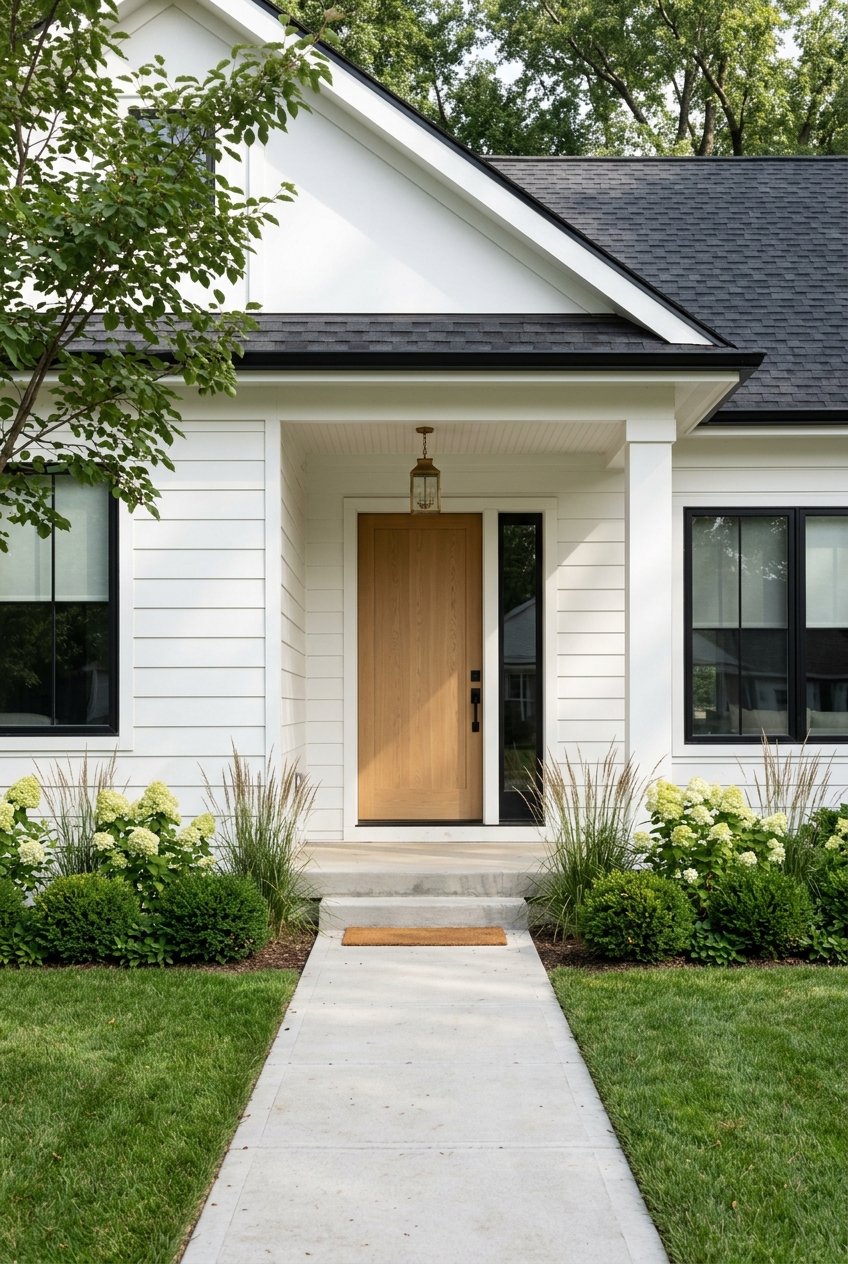
In a market like Leawood, presentation is part of the value story. Buyers often form opinions before they ever step through the front door, and your list price needs visuals and preparation that support it.
The NAR staging report found that 29% of agents said staging led to a 1% to 10% increase in the dollar value offered, and 49% said staging reduced time on market. NAR also found that photos, videos, and virtual tours play an important role in how buyers respond to listings.
Before your home hits the market, focus on the basics that help buyers see value clearly. The 2023 NAR Profile of Home Staging highlights several common steps.
These often include:
For many sellers, pricing and prep should happen together. If you want a premium result, your home should look the part from day one.
It is natural to want to leave room for negotiation, but overpricing can backfire. A home that starts too high may get fewer showings, sit longer, and eventually need a price cut.
According to NAR’s seller handout on improving the odds of an offer, homes priced more than 3% over the correct price often take longer to sell. NAR also notes that if a home has been on the market for more than 30 days without an offer, sellers should at least consider a price reduction, and a 2% to 5% adjustment can help renew interest.
That pattern is already visible in Leawood. Redfin’s market page reported price drops on 26.2% of listings in February 2026. That does not mean price reductions are unusual or dramatic. It means accurate pricing at launch matters.
There is another risk many sellers overlook. If your home goes under contract at a price that does not hold up in the appraisal, the deal can get more complicated.
The Consumer Financial Protection Bureau explains that when an appraisal comes in low, buyers may ask for a lower price or, depending on the contract, walk away. Even if your home shows beautifully online, financing still has to align with market value.
If you want to feel confident about your list price, focus on a process instead of a guess. The best pricing strategy is built from evidence, local knowledge, and a clear plan for what happens after launch.
Here is a smart framework:
That first two-week window matters. It is often when your listing gets the most attention, so the launch price should be intentional.
You should never feel like your list price came from a quick estimate or a generic online tool. A thoughtful pricing conversation should include evidence and strategy.
Freddie Mac and NAR both support interviewing multiple agents and asking for a detailed market analysis. As you prepare to sell, ask questions like:
A strong pricing recommendation should come with reasoning, not just a number.
Pricing your Leawood home with confidence does not mean choosing the highest possible number. It means choosing a price that reflects your home, your competition, your timeline, and how buyers are behaving right now.
When you combine neighborhood-level comps, honest condition analysis, and polished presentation, you give your home the best chance to attract serious buyers early. If you are ready for a thoughtful, concierge-style pricing strategy backed by strong local marketing, connect with Hannah Murrell to start your next move with clarity.
Explore additional articles offering fresh perspectives on Kansas City real estate and lifestyle.





Partner with Murrell Signature Real Estate Group and enjoy a real estate experience that’s personal, polished, and powerful.

MURRELL SIGNATURE REAL ESTATE GROUP
ADDRESS 4200 SOMERSET DR PRAIRIE VILLAGE KS 66208