

Cost of Buying a Home February 27, 2026
So, how much do you really need to buy a house in Kansas City? The honest answer is: it depends — but most buyers should plan for at least 3.5%–20% down, 2%–5% in closing costs, and enough savings to comfortably cover their monthly mortgage, taxes, insurance, and surprise home expenses. The good news? With smart budgeting and the right loan strategy, homeownership in Kansas City is far more attainable than many people think.
First things first, the down payment. This is the big kahuna, the upfront investment that separates the renters from the owners. Traditionally, everyone tells you 20% is the magic number. While that's great if you're swimming in gold like Scrooge McDuck, it's not always feasible. Luckily, there are options aplenty! FHA loans can let you sneak in with as little as 3.5% down, and some programs even offer down payment assistance.
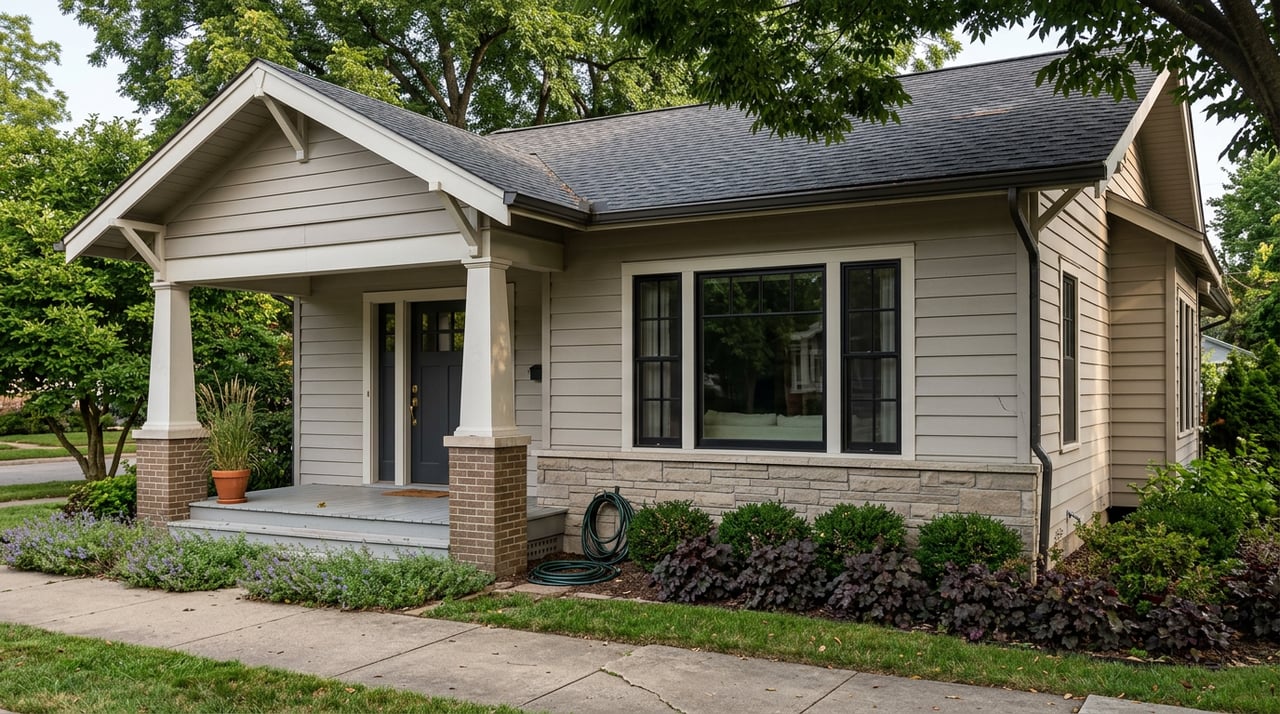
Let's paint a picture. Say you're eyeing a charming bungalow in Brookside for $300,000 (Kansas City's housing market is diverse, so prices vary wildly). A 20% down payment would be a hefty $60,000. Ouch! But with a 3.5% FHA loan, you're looking at a more manageable $10,500. See? Suddenly, that dream home feels a little closer. Keep in mind, though, that lower down payments often mean higher monthly mortgage payments and potentially paying for Private Mortgage Insurance (PMI).
Ah, closing costs – those sneaky little expenses that pop up like uninvited guests at a party. These can include appraisal fees, title insurance, loan origination fees, and a bunch of other things that sound super important but are mostly just confusing. Generally, closing costs can range from 2% to 5% of the home's purchase price. So, for our $300,000 bungalow, you're looking at somewhere between $6,000 and $15,000.
Pro-tip: Don't be afraid to negotiate! Sometimes, you can get the seller to cover some of the closing costs, especially in a buyer's market. It never hurts to ask, right?
Okay, you've conquered the down payment and wrestled with the closing costs. Now comes the monthly mortgage payment, your new best friend (or worst enemy, depending on how you look at it). This isn't just about paying back the loan; it also includes property taxes, homeowner's insurance, and possibly PMI if you put down less than 20%.
Property taxes in Kansas City can vary depending on the location and assessed value of your home. Homeowner's insurance protects you from disasters like fires, floods, and rogue squirrels (okay, maybe not squirrels, but you get the idea). And PMI, as mentioned before, is an extra fee you pay if your down payment is less than 20%. All these factors combine to determine your total monthly housing cost. It is also important to consider costs such as utilities, home maintenance, and potential HOA fees.
So, you've got the down payment, closing costs, and monthly mortgage covered. But wait, there's more! (Cue the infomercial music.) Don't forget to factor in moving expenses, furniture, and those inevitable home repairs that always seem to pop up at the most inconvenient times. It's always a good idea to have an emergency fund to cover these unexpected costs. After all, you don't want a leaky faucet to derail your entire homeownership dream.
Rising credit card balances and the ease of digital payments can often contribute to impulse buying, making it harder to save for these extra expenses. As of December 2025, the U.S. Consumer Price Index rose by 2.7%, further impacting household budgets and leading many to seek ways to cut spending. Cash stuffing, a budgeting strategy using physical cash divided into labeled envelopes, has grown in popularity as it helps visualize spending limits and curb overspending. To successfully implement cash stuffing, choose a realistic budget cycle and identify overspending categories.
So, how much money do you *really* need to buy a house in Kansas City? The honest answer: it depends. It depends on your credit score, your income, the type of loan you qualify for, and the neighborhood you're eyeing. However, with careful planning, realistic budgeting, and a little bit of hustle, homeownership in Kansas City is definitely within reach. So, go forth, explore those neighborhoods, and get ready to call KC "home!"
Explore additional articles offering fresh perspectives on Kansas City real estate and lifestyle.
Partner with Murrell Signature Real Estate Group and enjoy a real estate experience that’s personal, polished, and powerful.

MURRELL SIGNATURE REAL ESTATE GROUP
ADDRESS 4200 SOMERSET DR PRAIRIE VILLAGE KS 66208