Living in Johnson County Hannah Murrell October 28, 2026
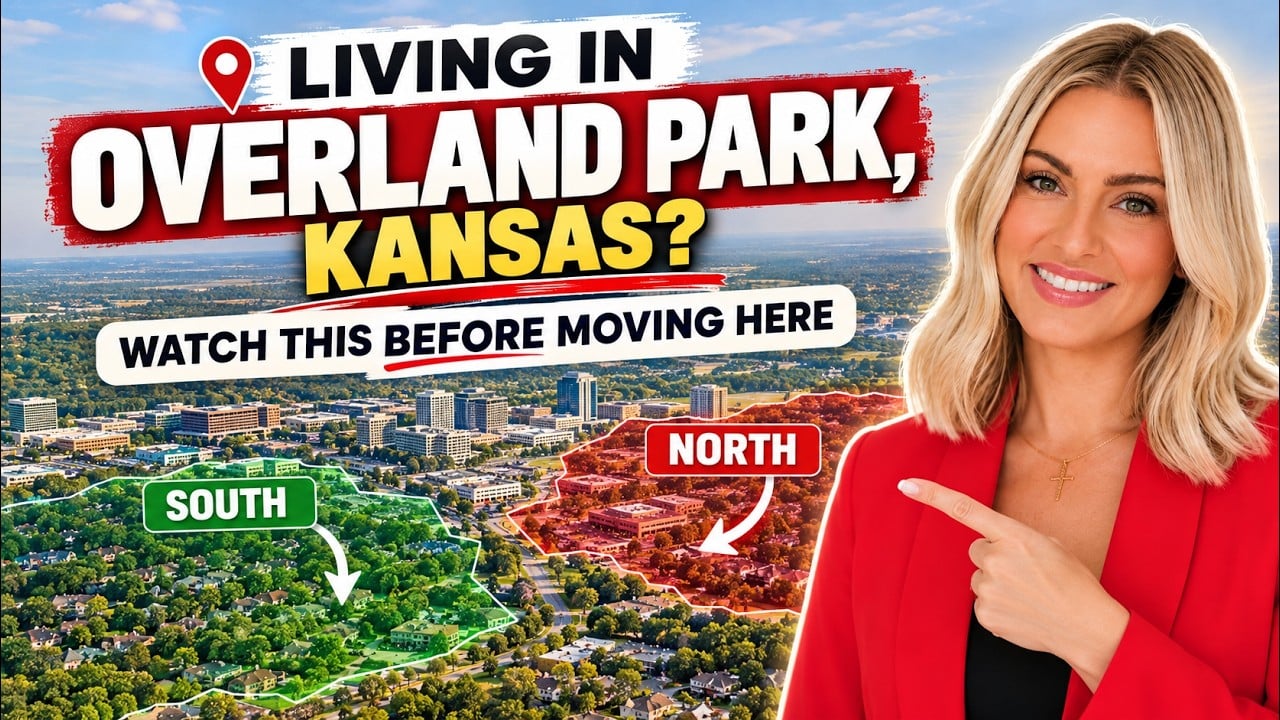
Is Overland Park a good place to live? For most families, yes. WalletHub ranked it the second-best city in America to raise a family in 2026, and Blue Valley schools in the south half of the city were ranked the top district in Kansas by Niche. But go to almost any city council meeting and you'll find a room full of residents pushing back on what's being built next door. Both of those things are true, and understanding why is the most important thing to know before you move here.
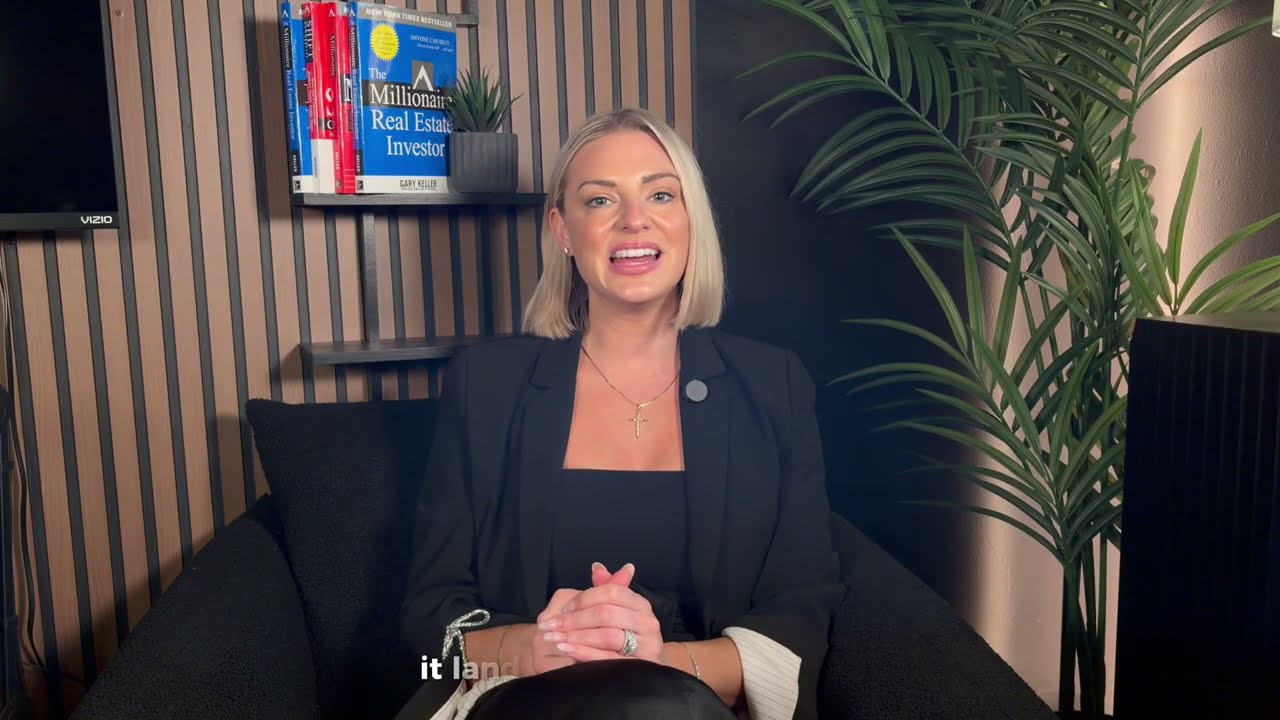
I'm Hannah Murrell. I was born and raised in Johnson County, I've lived in South Overland Park for more than ten years, and I help people buy and sell homes here every day. Here's the honest version of living in Overland Park: the trade-offs, the North vs. South split, and the shift that's going to shape what you pay for a house here for years to come.
Overland Park is the second-largest city in Kansas, behind only Wichita, with roughly 200,000 residents. When it incorporated in 1960, it had about 28,000 people, so it has grown about seven times over in one lifetime. The city's own planning documents expect tens of thousands more residents by 2050.
So where do you put all those people? Hold onto that question, because it's the whole story.
Overland Park began as a planned commuter suburb. After the 1903 flood swamped Kansas City's river-bottom neighborhoods, developer William Strang Jr. platted a residential development southwest of the city in 1905, promising high ground, quiet streets, and a rail line back into town. His interurban line, known locally as the Strang Line, carried commuters until 1940.
After World War II, GI Bill families filled in the ranch homes you still see all over North Overland Park. From there, for six decades, the city did one thing: it grew south, then further south. Until it couldn't.
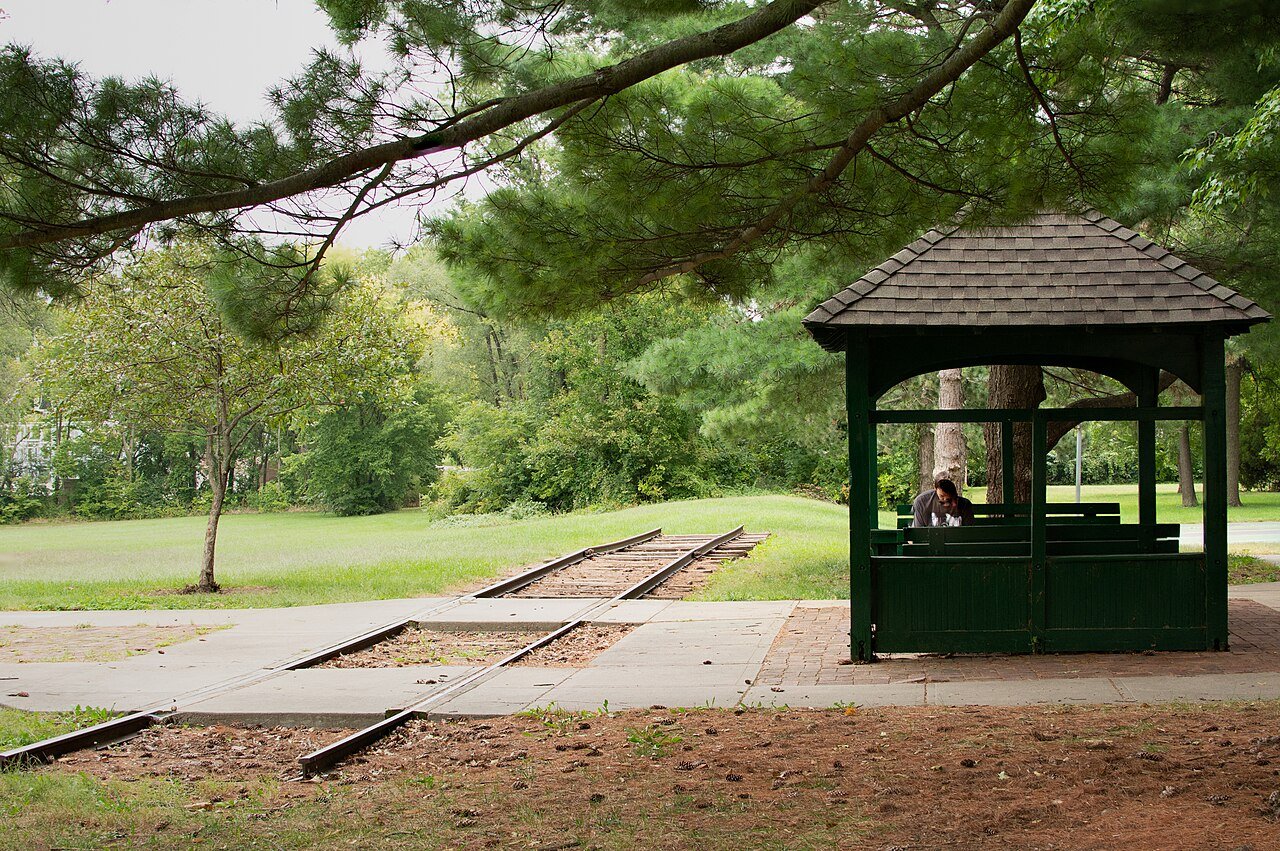
Historic rail tracks at Strang Park, a nod to the old Strang Line. Photo: Bjwhite66212, CC BY-SA 4.0, via Wikimedia Commons.
Overland Park can't easily expand anymore, so it's rebuilding what it already has. In 2008, the city tried to annex about 15 square miles to the south, and residents there organized against it. After that fight, Kansas lawmakers changed the rules so that, for most large annexations, the people who live in the area have to vote yes. That basically froze the city's southern edge.
With the land mostly set, growth has two places to go: the remaining land in the far south, and redevelopment of older sites. Here's what's in motion north of 135th Street:
Office parks becoming neighborhoods and malls becoming housing: that's the direction this city is heading.
Because infill lands next to existing neighbors. When growth goes onto old farmland, there aren't many people to object. When it goes into an old mall or office park, it sits right beside people who bought their homes decades ago expecting nothing to change. Apartment proposals near 97th and Metcalf and near 135th and Quivira both drew formal neighbor protests, and a city pilot for smaller, more attainable homes drew a packed room of opposition.
There was even a stadium fight. The Aspiria campus was floated as a possible Royals stadium site, neighbors pushed back hard, and in January 2026 the Royals said the Overland Park site was no longer on the table.
Here's how I'd sum it up: a lot of people who live here would like Overland Park to stay exactly as it is, and the city's plan says it can't. Whether that's good news or bad news depends on what you're buying.
Interstate 435 is the dividing line most locals use, and the two sides feel like different cities wearing one name.
North of I-435 | South of I-435 | |
|---|---|---|
Typical homes | Mid-century ranches and split-levels, mature trees | Two-stories from the 1980s on, master-planned communities, new construction south of 167th Street |
Schools (mostly) | Shawnee Mission | Blue Valley |
Median sale price* | About $387,000 | About $675,000 |
Typical size* | About 1,800 finished sq. ft. | About 3,500 finished sq. ft. |
Price per sq. ft.* | About $220 | Just under $200 |
Who often starts here | First-time buyers, downsizers, walkable-downtown fans | Growing families, move-up and luxury buyers |
*Single-family sales, Heartland MLS data for the 12 months before filming.
North Overland Park is also where most of the redevelopment is landing, so it's worth knowing what's planned near any house you love.
Overland Park is served by four public school districts: Shawnee Mission, Blue Valley, Olathe, and Spring Hill. The boundaries don't follow city limits or ZIP codes. In ZIP code 66221 alone, homes sold this past year in three different districts. Some new-construction neighborhoods in South Overland Park are in Spring Hill schools, and some addresses with a Stilwell mailing address are actually inside Overland Park city limits.
If a specific school district is a must-have for you, verify it by address with the district before you write an offer. Every time.
At the time of filming, the median single-family home in Overland Park sold for about $550,000 over the previous 12 months, up close to 6% from the year before, based on Heartland MLS data. That citywide number hides a nearly $300,000 gap between North and South Overland Park (see the table above).
The twist: per square foot, the north side actually costs more. The homes are just a lot smaller.
A few more numbers from the same 12-month period that tell you how this market behaves:
If you're shopping at the entry level, North Overland Park is basically the whole market, and that tier is shrinking. Come in with financing ready and a clear number.
Kansas doesn't tax Social Security income, and there's no state estate or inheritance tax. Kansas does charge personal property tax on vehicles, though, so budget for that when you register your cars. If you're relocating from a higher-tax state, run your numbers with a CPA, but taxes are a real part of the conversation for a lot of buyers.
For a metro this size, commutes are short, but US-69 is the pinch point. In February 2026, Kansas opened its first express toll lanes on US-69 through Overland Park, from 103rd Street to 151st Street, as part of a $572 million project. Whether they fix the rush-hour crawl long term is something I'll keep watching.
If you want strong schools, short commutes, and a well-run city, the rankings aren't lying. Just go in knowing Overland Park is in the middle of a big change, from a city that grew out to a city that grows back in. That means more apartments, townhomes, and mixed-use projects where office parks and malls used to be. Some neighbors will love it. Some won't.
The smartest buyers I work with ask one question before they fall in love with a house here: what's happening on the land around it in the next ten years? In Overland Park, that answer is changing faster than it has in a long time.
Yes, for most buyers. It was ranked the second-best U.S. city for raising a family by WalletHub in 2026, with short commutes and highly rated schools, though it's in the middle of major redevelopment.
North Overland Park has much lower prices overall (a median around $387,000 vs. about $675,000 south of I-435 at the time of filming), but it costs slightly more per square foot because the homes are smaller.
No. Overland Park is split among Shawnee Mission, Blue Valley, Olathe, and Spring Hill school districts, and the lines don't follow ZIP codes, so always verify by address.
Trying to figure out which side of Overland Park fits your budget, your commute, and your school must-haves? My relocation guide will help you narrow the map before you ever book a showing. Call 913-744-4720 or email [email protected] and I'll send it to you.
Hannah Murrell | Murrell Signature Real Estate Group, Keller Williams Kansas City Metro | The Red Bow Standard
Explore additional articles offering fresh perspectives on Kansas City real estate and lifestyle.
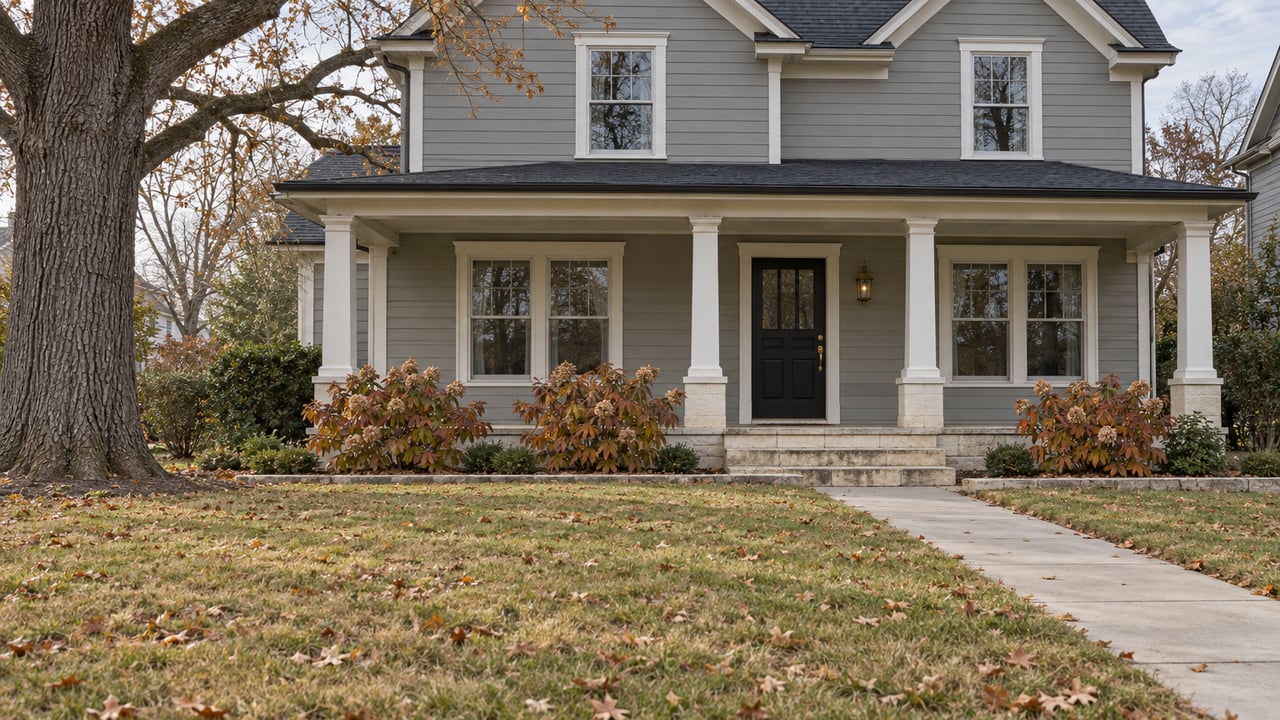
Living in Johnson County
North vs. South, four school districts, home prices, and the redevelopment shift reshaping Kansas's second-largest city
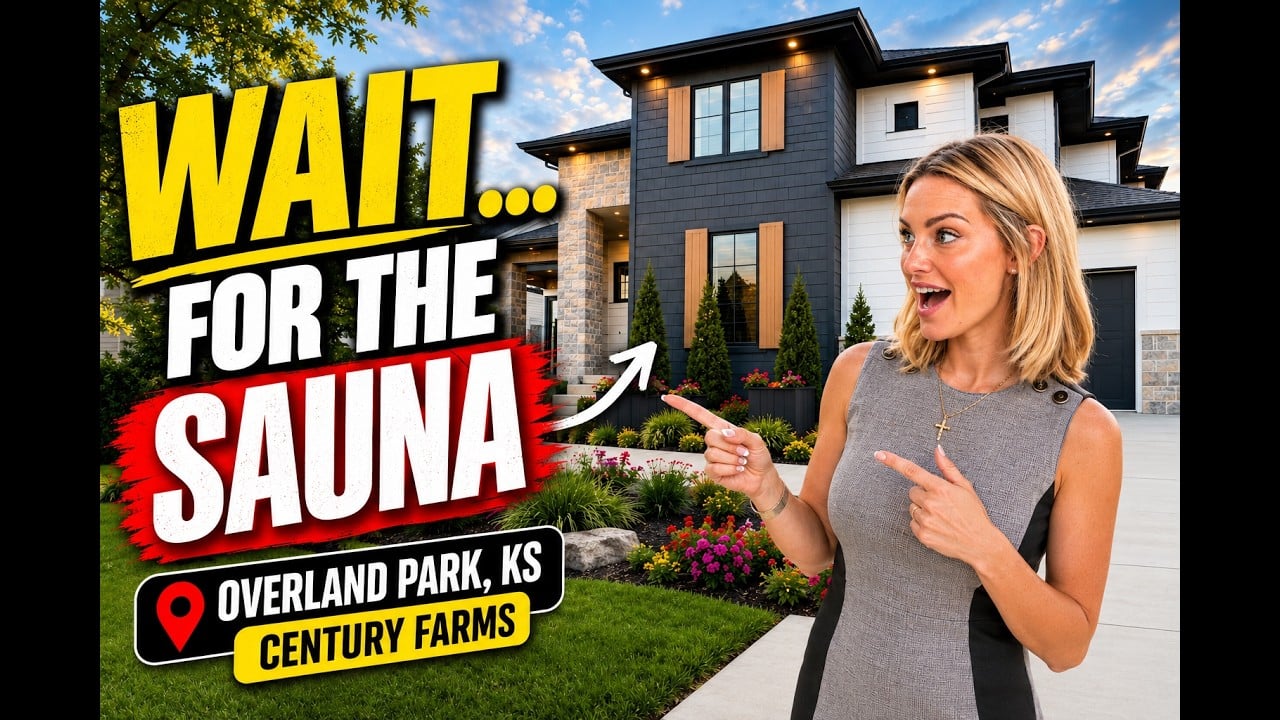
Living in Johnson County
Inside the Birmingham II by SAB Homes in Century Farms
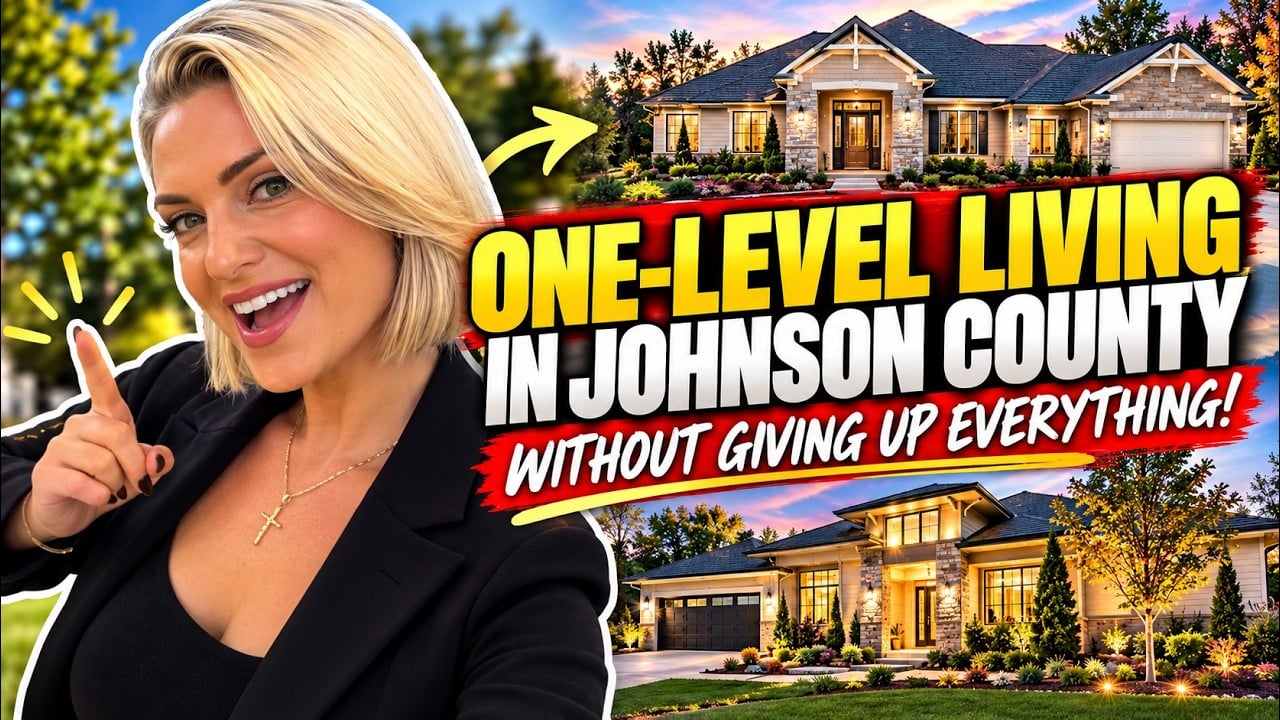
Living in Johnson County
Five communities with ranch and reverse 1.5-story homes, from about $300K to over $2M
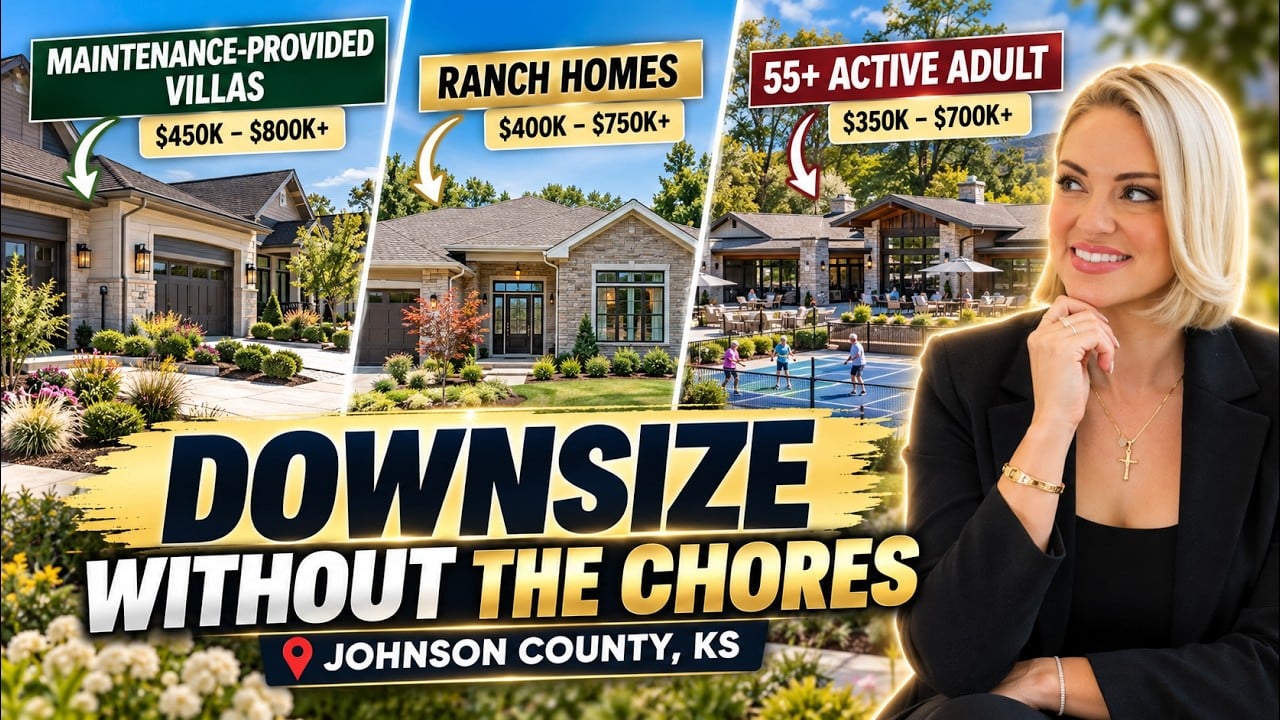
Living in Johnson County
Maintenance-provided villas, walkable ranches, and 55+ communities in JoCo

Living in Johnson County
Prices, fees, docks, and drive times compared
Living in Johnson County
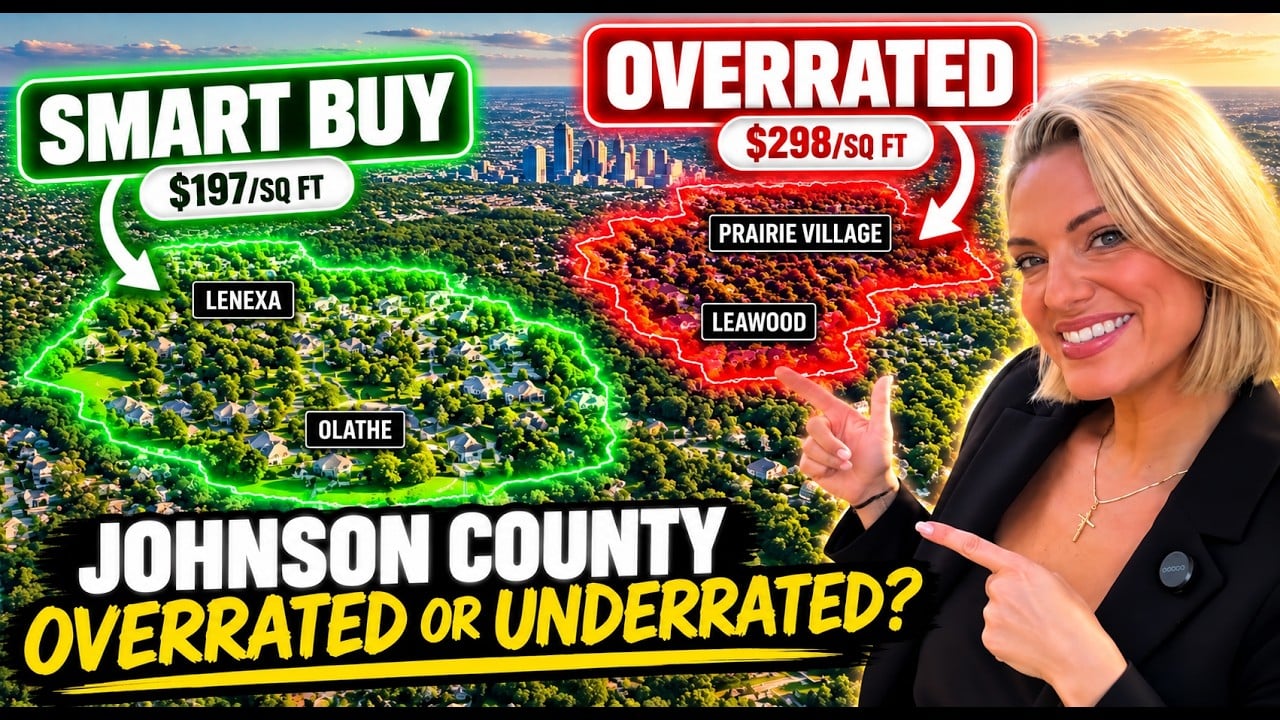
Prairie Village and Leawood vs. Olathe and Lenexa, by price per square foot, schools, and commute

Living in Johnson County
Downtown revitalization, Shawnee Mission Park, new construction near K-7, schools, and prices
Living in Johnson County
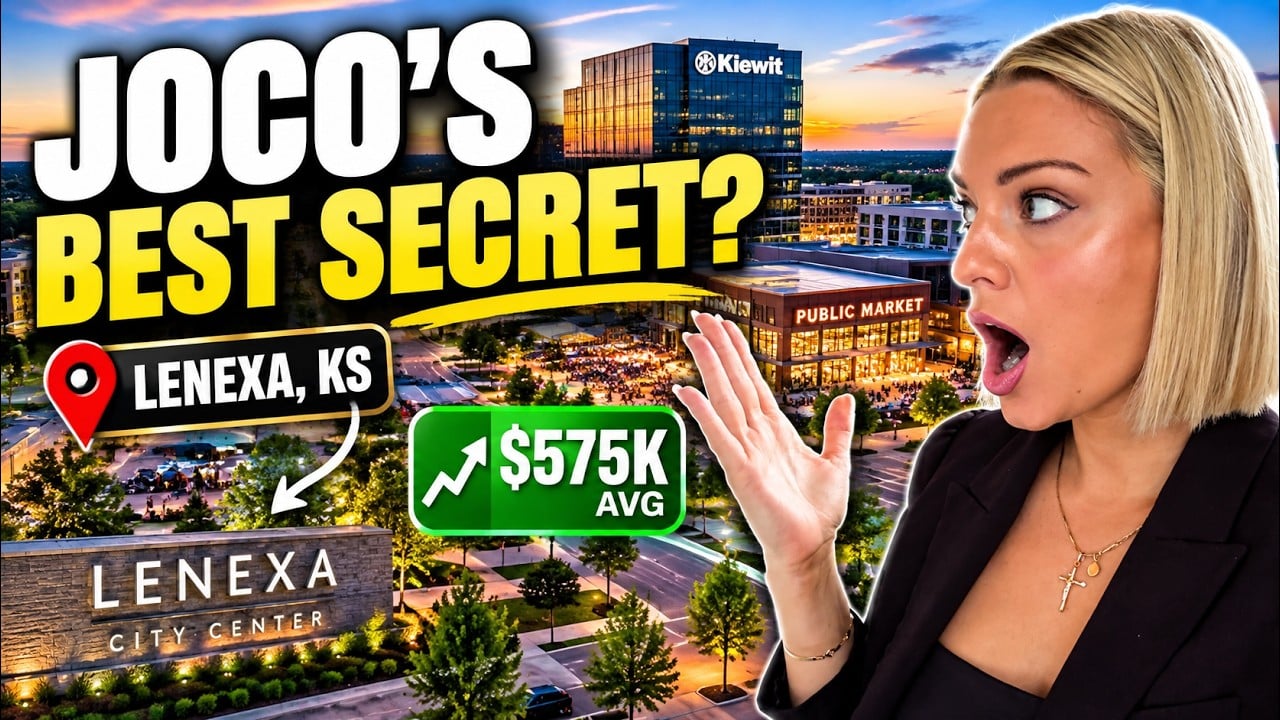
City Center, West Lenexa growth, luxury neighborhoods, three school districts, and prices
Partner with Murrell Signature Real Estate Group and enjoy a real estate experience that’s personal, polished, and powerful.
MURRELL SIGNATURE REAL ESTATE GROUP
ADDRESS 4200 SOMERSET DR PRAIRIE VILLAGE KS 66208
